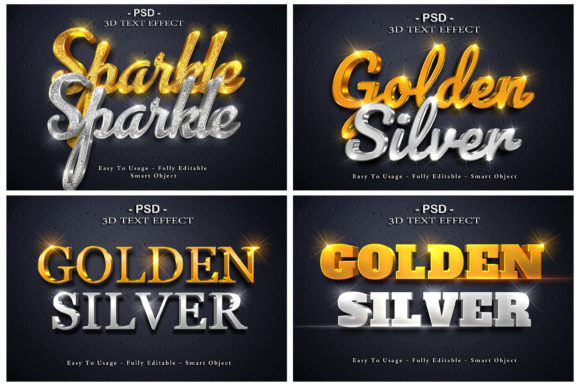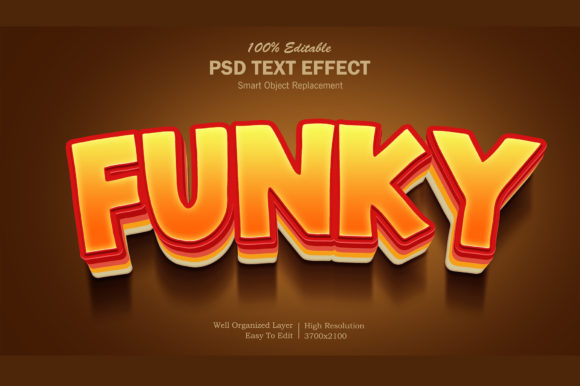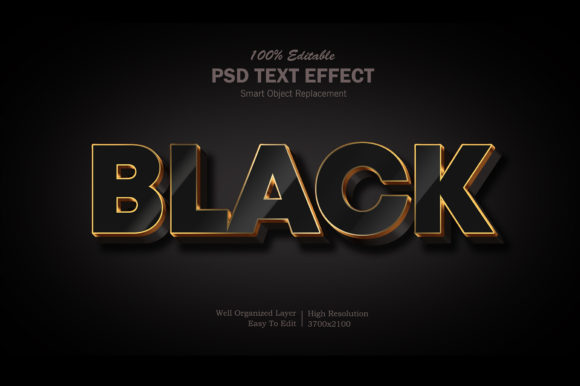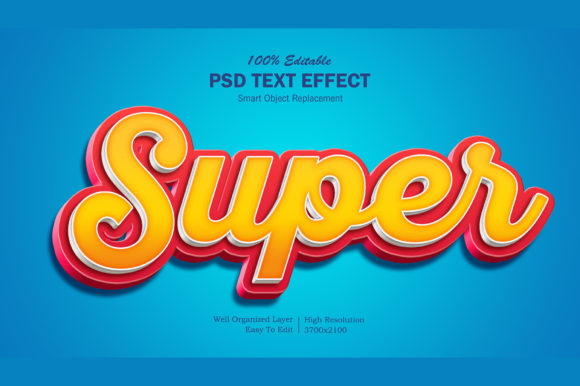
Legend Cinematic Style PSD 3D TextEffect: A Practical Evaluation for Professional Designers
In the competitive landscape of digital design, typography often serves as the primary vehicle for storytelling. Whether you are crafting a movie poster, designing a promotional banner, or creating social media assets, the difference between a flat text element and a compelling visual hook lies in depth, texture, and lighting. The Legend Cinematic Style PSD 3D TextEffect addresses this specific need by offering a high-quality, pre-configured solution that transforms standard fonts into dynamic, three-dimensional compositions. This resource is not merely a filter; it is a structured file designed to streamline the workflow for professionals who require consistent, high-end results without the hours typically spent building complex layer structures from scratch.
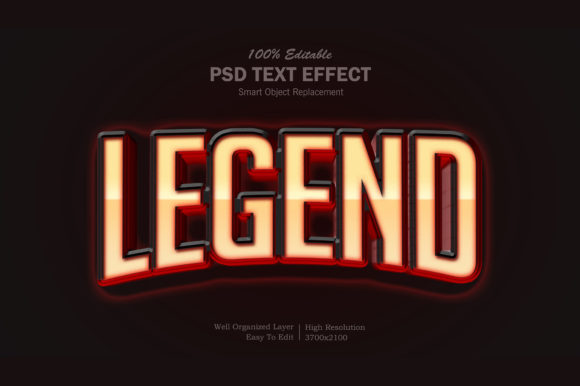
The core distinction of the Legend Cinematic Style lies in its implementation of smart object technology within the Adobe Photoshop ecosystem. Unlike static image overlays that can be difficult to resize or recolor without losing quality, this effect relies on editable smart objects. This architectural choice allows designers to maintain the integrity of the original vector data while applying sophisticated 3D rendering techniques. When a user opens the file, the interface is organized to guide them through the editing process intuitively. By double-clicking the designated smart object labeled "Your Text," the designer enters an isolated workspace where they can input their specific copy. Upon saving changes, the main file automatically updates, reflecting the new text with all the applied lighting, shadows, and material properties intact. This automation significantly reduces the margin for error and accelerates the production timeline.
Evaluating Workflow Efficiency and Technical Capabilities
When comparing the Legend Cinematic Style PSD 3D TextEffect against manual creation methods or generic online generators, the value proposition centers on efficiency and control. Manually constructing a cinematic 3D text effect involves stacking multiple layers, adjusting blending modes, manipulating light sources, and fine-tuning shadows. While this offers total creative freedom, it is time-consuming and requires a high level of technical proficiency. In contrast, this resource provides a "high resolution" foundation that is already well-organized. The layers are grouped logically, allowing users to tweak specific attributes—such as the intensity of the glow or the angle of the shadow—independently if the preset does not perfectly match the project requirements.
The tradeoff here is flexibility versus speed. Manual creation offers unlimited customization but demands significant investment in time. Pre-made effects like the Legend Cinematic Style offer immediate deployment with professional polish. For projects with tight deadlines, such as last-minute social media campaigns or urgent client presentations, the ability to swap text and save the result instantly is a decisive advantage. However, designers must consider the limitations of the template. If a project requires a unique font weight that is not supported by the template's internal structure, or if the desired color palette conflicts with the preset lighting, adjustments may be necessary. Fortunately, the inclusion of a Read Me.txt help file ensures that even those less familiar with advanced Photoshop features can navigate the file structure effectively.
Versatility Across Diverse Design Applications
The utility of the Legend Cinematic Style extends far beyond simple title cards. Its robust nature makes it suitable for a wide array of applications, ranging from digital web elements to physical merchandise. One of the most common use cases is for website headers and wallpaper designs, where a strong typographic presence is required to capture user attention immediately. The cinematic aesthetic adds a sense of drama and professionalism that flat colors cannot achieve.
Social media platforms also represent a significant opportunity for this tool. Creating eye-catching Facebook covers, YouTube thumbnails, or Twitter banners often requires standing out in a crowded feed. The 3D depth provided by the Legend effect helps these graphics pop against flat backgrounds, increasing click-through rates. Similarly, for content creators producing movie trailers or game promos, the ability to generate movie titles and cartoon-style titles with a unified look is invaluable. The resource supports various output formats, ensuring that whether you are designing a flyer, a T-shirt graphic, or a greeting card, the text retains its crispness and impact.
- Digital Marketing: Ideal for banner promotions and landing page headers where conversion depends on visual hierarchy.
- Entertainment Media: Perfect for movie titles, logo presentations, and poster designs that demand a dramatic flair.
- Merchandise: Suitable for clothing lines and T-shirt designs where the text needs to appear textured and durable.
- Print Media: High-resolution output ensures clarity in flyers, placards, and illustrations intended for physical distribution.
Comparative Analysis: Template-Based vs. Custom Solutions
Designers often face a dichotomy when choosing resources: should they build a custom asset or utilize a pre-packaged template? The Legend Cinematic Style PSD 3D TextEffect falls into the latter category, but it distinguishes itself through its "100 Editable" feature set. Many lower-quality templates lock certain aspects of the design, forcing the user to accept a style that may not fit their brand identity. With this resource, the emphasis is on adaptability. The inclusion of both a PSD file and a standalone image file provides redundancy, ensuring that the final product can be used in contexts where the full Photoshop environment is unavailable.
When evaluating alternatives, one might consider using 3D modeling software like Blender or Cinema 4D to create similar effects. While these tools offer superior realism and animation capabilities, they introduce a steep learning curve and a lengthy rendering process. For static graphic design tasks, the overhead of learning complex 3D software is often unjustified. The Legend Cinematic Style bridges the gap between basic text styling and advanced 3D modeling, delivering a result that looks professionally rendered without requiring specialized 3D skills. It is particularly beneficial for graphic designers who specialize in 2D composition but occasionally need to incorporate 3D elements into their work.
Decision Factors: When to Choose This Resource
Selecting the right tool depends heavily on the specific constraints of your project. The Legend Cinematic Style PSD 3D TextEffect is the right choice when you need a rapid turnaround time for high-impact visuals. If you are working on a campaign that requires multiple variations of a slogan across different platforms, the ease of editing via smart objects allows for quick iteration. You can generate dozens of versions in the time it would take to manually adjust one complex text effect.
Conversely, there are scenarios where this resource might not be the optimal solution. If your project demands a highly bespoke interaction, such as animated text that rotates in real-time or text that reacts dynamically to user input, a static PSD file will not suffice. Additionally, if your brand guidelines strictly prohibit the use of pre-existing templates due to copyright concerns regarding the underlying textures or lighting setups, you may need to invest in a fully custom build. However, for the vast majority of commercial and personal design projects, the balance of quality and convenience offered by this effect is hard to beat.
The organization of the file is another critical factor. The prompt highlights that the layers are "well organized." In professional workflows, file management is just as important as the visual output. Disorganized files make collaboration difficult and future edits frustrating. The Legend Cinematic Style mitigates this risk by providing a clean structure, making it easy for team members to understand how the effect was constructed. This transparency fosters trust and ensures that the final deliverable meets the client's expectations without unnecessary back-and-forth revisions.
Maximizing Value Through Strategic Application
To get the most out of the Legend Cinematic Style PSD 3D TextEffect, designers should treat it as a starting point rather than a finished product. While the presets are high quality, the best results come from tweaking the surrounding elements to match the specific context of the design. Adjusting the background color, modifying the drop shadow distance, or altering the global illumination settings can transform a generic effect into a tailored piece of art. The availability of the help file further empowers users to explore these advanced options without feeling overwhelmed.
Ultimately, the decision to use this resource comes down to the goal of the project. If the objective is to communicate a message with maximum visual impact in the shortest amount of time, the Legend Cinematic Style offers a proven pathway. It removes the technical barriers associated with 3D text creation, allowing the designer to focus on the creative strategy and the narrative of the content. By leveraging the power of smart objects and high-resolution layers, this tool enables professionals to produce work that rivals custom-built assets, ensuring that their designs remain competitive in a visually saturated market.