Tennis Ball 3D Layered SVG Cut File: A Practical Evaluation for Digital Crafters
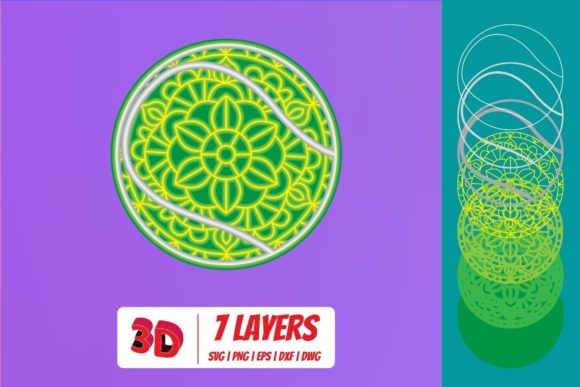
In the world of digital crafting, finding a design that balances aesthetic appeal with technical versatility is often the difference between a quick project and a professional finish. The Tennis Ball 3D Layered SVG Cut File represents a specific type of digital asset designed to bridge the gap between simple vector graphics and complex, multi-dimensional physical projects. Unlike standard flat icons or single-layer silhouettes, this file utilizes a layered approach to create depth, mimicking the texture and structure of a real tennis ball when cut from materials like cardstock, vinyl, or foam.
This resource is particularly relevant for professionals and serious hobbyists who require high-quality assets that integrate seamlessly into their existing workflows. Whether you are an entrepreneur creating branded merchandise, a marketer developing unique promotional items, or a small business owner producing custom gifts, the utility of this file extends beyond mere decoration. It serves as a functional tool for generating three-dimensional visual elements without the need for advanced 3D modeling software or expensive hardware.
Technical Composition and Format Versatility
The core value of the Tennis Ball 3D Layered SVG Cut File lies in its comprehensive packaging. When purchased, users receive a zipped folder containing four distinct file formats: SVG, DXF, PNG, and EPS. This multi-format delivery system ensures compatibility across a wide spectrum of software ecosystems, addressing the fragmentation that often plagues the digital crafting industry.
- SVG (Scalable Vector Graphics): This is the primary format for modern cutting machines. It is fully compatible with Cricut Design Space, Silhouette Studio Designer Edition, Make The Cut (MTC), Sure Cuts A Lot (SCAL), and the Brother ScanNCut Canvas software. The layered nature of the SVG allows users to assign different colors or materials to specific sections of the design, which is essential for achieving the "3D" effect through stacking.
- DXF (Drawing Exchange Format): Included specifically for users operating on more restricted platforms. The DXF version is optimized for use with Silhouette Basic Edition and other entry-level vector editors that may not support the full feature set of SVG files. This ensures that cost-conscious creators are not excluded from utilizing the design.
- EPS (Encapsulated PostScript): For graphic designers and illustrators working in traditional print environments, the EPS file provides a robust vector solution. It integrates smoothly with industry-standard software such as Adobe Illustrator, CorelDRAW, and Inkscape. This allows for further manipulation, scaling, and color adjustment before sending the file to a cutter or printer.
- PNG (Portable Network Graphics): The inclusion of a 300 DPI PNG file with a transparent background adds significant practical value. While not a vector file, this raster image is ideal for photo editing, printing directly to sticker paper, or using in applications that do not support vector paths. It serves as a reliable backup or a quick-use option for social media graphics and digital presentations.
Design Mechanics and Real-World Application
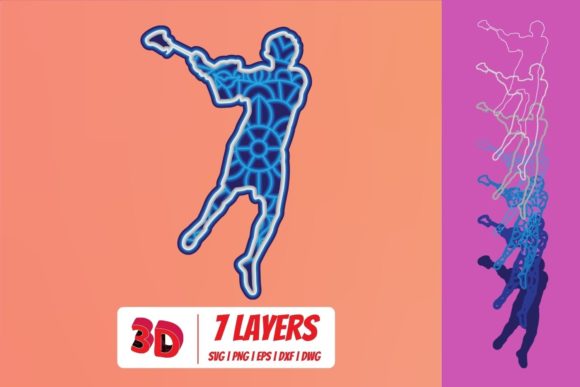
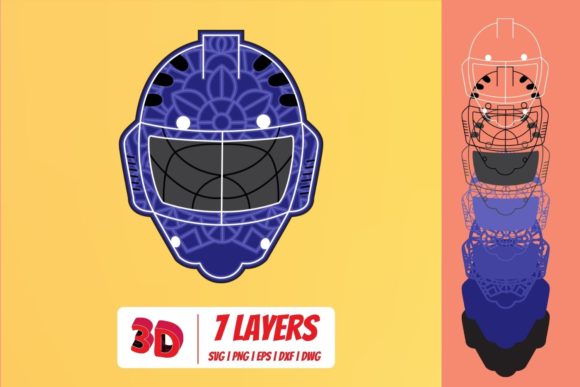
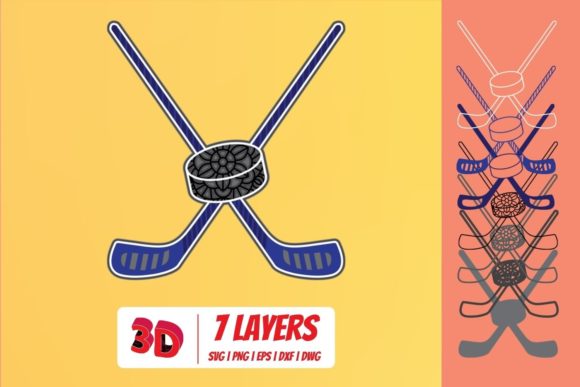
The defining characteristic of this asset is its layered construction. A standard tennis ball icon is typically a single circle with a curved line. To achieve a 3D look, the design is split into multiple layers representing the outer felt, the inner curve, and the seam. When these layers are cut from different materials or stacked with spacers, they create an optical illusion of depth.
In a professional setting, this technique is highly effective for creating tactile branding elements. For instance, a marketing agency could produce a 3D tennis ball logo for a sports event brochure, adding a physical dimension that flat printing cannot replicate. Similarly, educators might use these cutouts to create engaging teaching aids for physical education classes or geometry lessons regarding spheres and circles.
The reliability of the design depends heavily on how well the layers align. In my experience evaluating similar assets, the success of a 3D layered project hinges on the precision of the cut lines. This file appears engineered to minimize alignment errors by providing clear separation between the segments. However, users must be mindful of material thickness. If the cardstock or vinyl used is too thick, the layers may not stack flush, resulting in a warped appearance. Conversely, if the material is too thin, the structural integrity of the 3D shape may be compromised.
Workflow Integration and Usability
For freelancers and content creators, time efficiency is paramount. The Tennis Ball 3D Layered SVG Cut File offers a streamlined workflow that reduces the time spent troubleshooting file compatibility. Because it supports both proprietary software (like Cricut Design Space) and open-source or professional tools (like Inkscape and Illustrator), it fits into almost any studio setup.
When importing the SVG into cutting software, the user can expect the layers to remain grouped but distinct. This allows for easy customization. For example, a creator might choose to change the color of the felt layer to match a brand's specific shade while keeping the seam white. The ability to manipulate individual layers within the software interface is a critical feature for maintaining consistency across a product line.
However, there are limitations to consider regarding the learning curve. Creating a true 3D object requires more than just clicking "cut." Users must understand the concept of layering, potentially using adhesive foam dots or double-sided tape to separate the layers physically. Beginners unfamiliar with these techniques may find the process initially challenging, though the complexity is manageable with basic instruction.
Strategic Value for Business and Creatives
Why should a professional invest in this specific file? The answer lies in the intersection of cost-effectiveness and creative potential. Producing 3D graphics traditionally requires hiring a 3D artist or purchasing expensive rendering software. With this cut file, the output is physical rather than digital, allowing for tangible products that stand out in a saturated market.
Small business owners can leverage this asset to create unique inventory items. Imagine a boutique selling sports-themed home decor; a 3D tennis ball wall hanging or a decorative pillow cover made from this file could become a signature product. The flexibility of the formats means the same design can be used for large-scale production cuts via industrial plotters or small-batch runs on desktop cutters.
For bloggers and publishers, the PNG component offers immediate utility. High-resolution images are necessary for web optimization, and a 300 DPI PNG ensures that the tennis ball graphic looks crisp on both mobile devices and high-density monitors. This dual capability—serving both print and digital needs—maximizes the return on investment for the purchase.
Assessment of Quality and Long-Term Utility
Evaluating the long-term value of digital assets requires looking beyond the initial download. The Tennis Ball 3D Layered SVG Cut File demonstrates strong longevity because vector files do not degrade with scaling. Whether the final project is a miniature badge or a large banner, the SVG and EPS formats ensure the edges remain sharp. This scalability is a non-negotiable requirement for professional work.
The inclusion of the DXF file is a thoughtful addition for those transitioning from older software versions or using budget-friendly hardware. It shows a consideration for the diverse ecosystem of crafters, ensuring that the asset remains accessible regardless of the user's financial constraints or technical preferences.
While the design is versatile, it is not a one-size-fits-all solution for every project. Its effectiveness is highest in contexts where physical depth is desired. If a user only needs a flat logo for a website, the SVG layering features are unnecessary overhead, and the PNG would suffice. Therefore, the file is best suited for projects involving physical fabrication, scrapbooking, decoupage, or mixed-media art.
Final Considerations for Implementation
To get the most out of the Tennis Ball 3D Layered SVG Cut File, users should adopt a methodical approach to their cutting settings. Testing on a small piece of scrap material before committing to the final project is always recommended. Pay close attention to the pressure and speed settings of your machine, as these variables affect the cleanest possible cut for each layer.
Furthermore, organizing the layers logically within your design software before cutting will save time. Grouping related elements and naming them clearly prevents confusion during the assembly phase. For those new to 3D layering, experimenting with different spacer heights can yield varying degrees of realism, allowing for a level of customization that elevates the final product.
In conclusion, this digital asset represents a solid choice for anyone looking to add dimensional quality to their crafting or business projects. Its robust format support, combined with a design that leverages the principles of physical layering, makes it a versatile tool in the modern creator's arsenal. By understanding its strengths and limitations, professionals and hobbyists alike can utilize this file to produce high-quality, visually striking results that justify its place in their workflow.