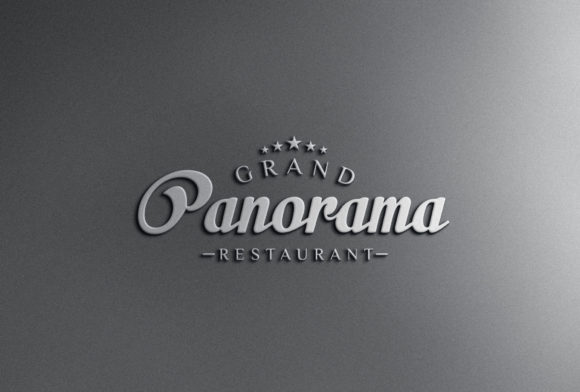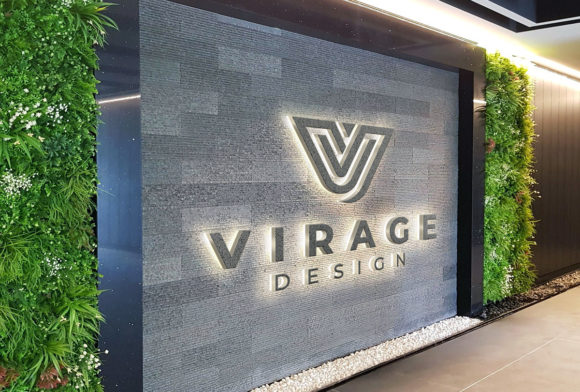
3D Concrete Signage Logo Mockup for Realistic Branding
There is a distinct power in seeing your logo not just as a flat vector, but as a physical object standing in the real world. When you present a design to a client, the difference between a digital file and a tangible representation can be the deciding factor in approval. This is where the 3D Concrete Signage Logo Mockup becomes an essential tool for any serious designer or business owner. It transforms abstract concepts into photorealistic scenes that convey texture, depth, and permanence.
Concrete has become a staple in modern architecture and industrial design. Its raw, unpolished aesthetic suggests durability, strength, and authenticity. By placing your logo on this material, you immediately communicate a sense of solidity and trustworthiness. Whether you are branding a construction firm, a craft brewery, or a high-end furniture studio, the rough texture of concrete provides a sophisticated backdrop that makes your mark pop without overwhelming it.
Why Realism Matters in Client Presentations
Designers often struggle to bridge the gap between their creative vision and the client's imagination. A two-dimensional image on a screen lacks the weight of reality. Clients need to visualize how the final product will look in its intended environment. A layered PSD file with smart objects solves this problem by allowing you to insert your artwork instantly while maintaining realistic lighting and shadows.
When you use a 3D Concrete Signage Logo Mockup, you are offering more than just a preview; you are providing a simulation. The photorealistic results ensure that the client understands the scale, the finish, and the overall impact of the signage. This level of detail reduces uncertainty and accelerates the decision-making process. Instead of guessing how the logo will look mounted on a wall, they see exactly what it will look like before a single brick is laid.
The Technical Advantage of Smart Objects
The efficiency of using a well-structured PSD file cannot be overstated. The inclusion of smart objects means you do not have to worry about complex layer masking or manual blending modes. You simply double-click the designated layer, paste your logo, save, and close. The software automatically handles the warping, perspective, and shading to match the concrete surface perfectly.
- Non-Destructive Editing: Your original design remains intact, allowing for endless iterations without quality loss.
- Speed: What used to take hours of Photoshop manipulation now takes seconds.
- Consistency: Ensure that every presentation maintains the same high standard of realism across different projects.
Creative Applications Across Industries
The versatility of concrete as a medium allows for a wide range of creative applications. It is not limited to heavy industry; the trend extends into lifestyle, retail, and digital media. Here are several ways professionals are adapting this style for various goals.
Industrial and Construction Brands
For companies in the building sector, the connection is obvious. A logo etched into a concrete block or mounted on a textured wall speaks directly to the core values of engineering and craftsmanship. Use this mockup to showcase safety equipment branding, architectural firm logos, or interior design portfolios. The rough texture reinforces the idea that your work is built to last.
Lifestyle and Artisan Businesses
Breweries, coffee roasters, and boutique clothing stores often embrace the "urban" aesthetic. Concrete adds a touch of grit and sophistication that appeals to modern consumers who value authenticity over polish. Imagine a coffee brand logo subtly embossed on a concrete facade outside a trendy shop. It creates an inviting atmosphere that feels both exclusive and accessible.
Digital Marketing and Social Media
Even if the final product is digital, the visual language of physical signage works wonders in marketing campaigns. Bloggers and content creators can use these images for social media posts, blog headers, or email newsletters. A high-resolution 2000x1350px image ensures clarity on large desktop monitors and crisp rendering on mobile devices. The realistic background textures provide a rich context that flat colors simply cannot match.
Adapting the Design for Different Contexts
To get the most out of your 3D Concrete Signage Logo Mockup, consider how the environment influences the perception of your brand. The same logo can tell different stories depending on the lighting, the angle, and the surrounding elements.
- Lighting Choices: Natural sunlight highlights the grain of the concrete, creating deep shadows that emphasize depth. Artificial lighting, such as neon signs behind frosted glass against concrete, offers a futuristic, urban vibe. Experiment with both to find the mood that fits your brand identity.
- Placement Variations: Don't limit yourself to a flat wall. Consider the logo mounted on a pillar, embedded in a floor, or attached to a ceiling beam. Each position changes the viewer's relationship with the sign, making it feel more integrated into the space.
- Texture Mixing: While the base is concrete, you can introduce complementary materials. Think of metal brackets holding the sign, wood accents nearby, or greenery growing around the edges. These small details add layers of interest and make the scene feel lived-in and authentic.
Maintaining Clarity and Readability
While texture is attractive, the primary function of a logo is communication. In a concrete setting, the contrast between the logo and the background is crucial. If the concrete is too dark, a black logo might disappear. If the texture is too aggressive, it could distract from the message.
Always test your design within the mockup to ensure legibility. Use smart objects to adjust the color of your logo or add a subtle drop shadow if necessary. The goal is to balance the ruggedness of the material with the precision of your typography. A clean, bold font often works best against the organic imperfections of concrete, ensuring the brand name is read clearly even from a distance.
Practical Tips for Professional Results
Creating a stunning presentation requires attention to detail. Start by selecting a logo that translates well to three dimensions. Intricate details may get lost in the texture of the concrete, so simplicity is often key. Ensure your file resolution is high enough to support the 2000x1350px output without pixelation.
When editing the PSD, pay attention to the lighting direction. Shadows must fall consistently with the light source in the background image. If the sun is coming from the left, your logo's shadow should also cast to the right. Inconsistencies here break the illusion of reality and reduce the credibility of your work.
Furthermore, keep your audience in mind. If you are presenting to a corporate board, focus on sleek, minimalist concrete surfaces that suggest professionalism. For a creative agency, you might choose a more distressed, weathered look that hints at artistic freedom. Tailoring the mockup to the specific expectations of your client demonstrates your understanding of their unique needs.
Final Thoughts on Visual Storytelling
In a crowded market, the way you present your ideas matters just as much as the ideas themselves. The 3D Concrete Signage Logo Mockup offers a powerful way to elevate your portfolio and impress clients with professional-grade visuals. It bridges the gap between concept and reality, allowing stakeholders to experience their brand before it exists physically.
By leveraging the tactile nature of concrete and the flexibility of smart objects, designers can create presentations that are not only visually striking but also strategically sound. Whether you are a freelancer pitching a new identity or a marketer launching a campaign, this tool provides the foundation for clear, effective, and inspiring communication. Embrace the texture, play with the light, and let your logo stand tall.