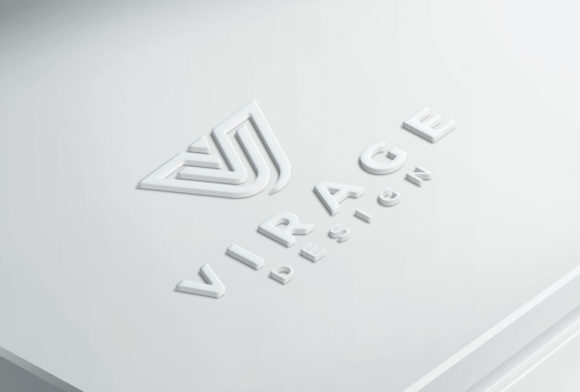
3D Logo Mockup on White Plastic Surface
In the fast-paced world of digital branding, first impressions are no longer just about the logo itself; they are about how that logo is perceived in a real-world context. A flat vector file might look crisp on a screen, but it often fails to convey the tactile quality and premium feel that modern consumers expect. This is where a 3D Logo Mockup on White Plastic Surface becomes an indispensable tool for designers and business owners alike. By placing your design onto a realistic white plastic texture, you bridge the gap between abstract creativity and tangible product reality.
The shift toward photorealistic presentations has fundamentally changed how creative professionals pitch their work. Clients today want to see their brand integrated into everyday objects before they commit to production. Whether it is a tech gadget casing, a cosmetic bottle, or a corporate promotional item, the white plastic surface offers a unique canvas. It provides a clean, minimalist backdrop that highlights the logo without distraction, yet adds enough depth and reflection to suggest high-quality manufacturing.
The Evolution of Visual Presentation in Branding
Gone are the days when a designer could simply email a JPEG and call it a day. The modern workflow demands a narrative. When you present a logo, you are selling a vision of the future product. The demand for 3D Logo mockup on White Plastic Surface has surged because it aligns perfectly with current market preferences for transparency and authenticity. Users are increasingly skeptical of polished, overly stylized graphics that feel disconnected from reality. They want to know what the final product will actually look like.
This trend reflects a broader shift in consumer behavior. In an era dominated by e-commerce, customers cannot touch or hold a product before buying. Therefore, visual fidelity is paramount. A well-executed mockup serves as a proxy for physical interaction. The specific choice of a white plastic surface is strategic. Unlike wood or metal, which have distinct grain patterns or heavy reflections, white plastic is ubiquitous in packaging and electronics. It represents the standard for mass-produced goods, making it one of the most versatile textures for demonstrating versatility.
As technology advances, the barrier between digital rendering and photography continues to blur. Designers now expect tools that offer Real Backgrounds and Textures that mimic these imperfections. Light diffusion, subtle scratches, and the way a logo sits slightly recessed or embossed into the material are details that define professional quality. These elements transform a simple graphic into a convincing product prototype.
Why White Plastic? The Psychology of Clean Design
Selecting a white plastic surface for your presentation is not merely an aesthetic choice; it is a psychological one. White space is associated with cleanliness, efficiency, and modernity. In the context of 3D rendering, a white plastic texture allows the logo colors to pop while maintaining a sense of purity. It suggests that the brand is fresh, innovative, and ready for the market.
For entrepreneurs and startups, this presentation style communicates professionalism without needing expensive photography. Imagine launching a new line of smart home devices or medical supplies. A 3D Logo Mockup on White Plastic Surface instantly elevates the perceived value of the product. It implies that the company cares about detail and finish. For established businesses, it offers a way to refresh existing branding by showing how it looks on updated materials, signaling a commitment to staying current.
The versatility of this format extends across various industries. From healthcare products that require a sterile appearance to consumer electronics that need a sleek, matte finish, white plastic covers a vast spectrum of use cases. It is the "blank slate" of industrial design, allowing the logo to take center stage while providing enough environmental cues to ground the design in reality.
Practical Workflow: Efficiency Meets Quality
One of the primary challenges in creating these mockups is time. Professional photographers can spend hours setting up lighting rigs and editing images to get the perfect shot. However, a digital solution offers a streamlined alternative. The key to this efficiency lies in the technical structure of the file. A high-quality mockup is typically delivered as a Layered and well-structured PSD file.
This structure is crucial for the end-user. It means that complex adjustments can be made without breaking the image. Instead of manually painting shadows or warping the logo to fit a curve, the user interacts with intuitive controls. The ability to edit via Smart Objects is perhaps the most significant feature for busy professionals. With a single click, you can replace the placeholder design with your own artwork, and the software automatically handles the perspective, blending modes, and lighting effects.
Consider the scenario of a freelance marketer pitching to three different clients in a single afternoon. Using a template that requires manual adjustment for each client would be unsustainable. However, with a pre-configured 3D Logo mockup on White Plastic Surface, the entire process takes minutes. You swap the logo, tweak the color if necessary, and export the final image. This speed allows creatives to focus more on strategy and less on technical execution.
The resolution of the file also plays a critical role in this workflow. A Resolution 2000x1350px ensures that the output is sharp enough for both web display and print marketing materials. It strikes a balance between high fidelity and manageable file size, making it easy to share via email or upload to social media platforms without losing quality. This level of detail ensures that the Photorealistic results hold up under scrutiny, whether viewed on a smartphone or a large monitor.
Adapting to Modern Creative Practices
The rise of remote work and distributed teams has further accelerated the adoption of these digital assets. Creatives often collaborate across time zones, requiring files that are robust and easy to navigate. A well-documented PSD file reduces the friction of collaboration. Team members can understand the hierarchy of layers and make changes independently without needing constant guidance from the original creator.
Furthermore, this approach supports the growing trend of rapid prototyping. Startups often iterate on their designs multiple times before settling on a final version. Being able to visualize these iterations quickly on a realistic surface helps stakeholders make informed decisions faster. It reduces the risk of costly mistakes in the manufacturing phase by catching design issues early in the presentation stage.
For educators and students, these mockups serve as excellent teaching tools. They demonstrate the importance of context in design theory. By experimenting with different surfaces, learners can understand how lighting and texture influence brand perception. It turns abstract concepts into tangible lessons, fostering a deeper understanding of the craft.
Maximizing Impact for Your Audience
Ultimately, the goal of using a 3D Logo Mockup on White Plastic Surface is to impress clients and secure buy-in. When a client sees their logo rendered on a surface that looks and feels like the final product, the emotional connection strengthens. It moves the project from the realm of "maybe" to "definitely." This confidence is vital for freelancers trying to close deals and for business owners seeking investment.
It is important to remember that while the tool is powerful, its effectiveness depends on usage. The mockup should enhance the design, not distract from it. Ensure that the lighting in the scene matches the intended environment of the product. If the logo is meant for a bathroom cleaner, the plastic surface should reflect a wet, clean look rather than a dusty, industrial one. Attention to these details reinforces the credibility of the presentation.
As we look toward the future of digital design, the integration of 3D elements into standard workflows will only deepen. The distinction between "designer" and "renderer" will continue to blur, empowering creators to produce complete visual narratives. By leveraging tools that offer Easy Editing via Smart Objects and Real Backgrounds and Textures, professionals can stay ahead of the curve, delivering work that meets the high standards of today's discerning audience.
In conclusion, adopting a 3D Logo Mockup on White Plastic Surface is more than just a technical upgrade; it is a strategic move in brand communication. It respects the viewer's intelligence by providing realistic context and honors the designer's effort by offering a seamless editing experience. Whether you are a seasoned agency owner or a solo entrepreneur, incorporating these photorealistic presentations into your portfolio can significantly elevate your professional standing and drive better results for your projects.