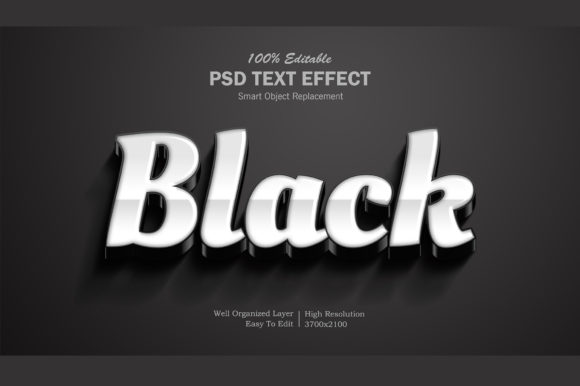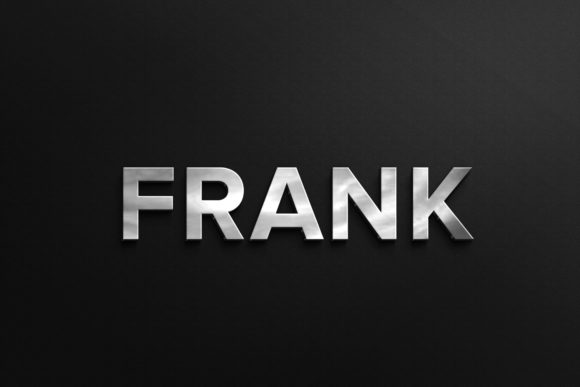
Evaluating the Metal Logo Mockup 3d Sign on Black Wall for Professional Brand Presentation
In the competitive landscape of graphic design and branding, visual communication relies heavily on context. A logo that looks perfect on a flat white background often fails to convey its true potential when applied to real-world surfaces. This is where the Metal Logo Mockup 3d Sign on Black Wall becomes an essential tool for professionals seeking to demonstrate premium quality. By simulating a metallic finish mounted against a dark, matte surface, this specific mockup format offers a distinct aesthetic that commands attention and suggests durability.
The core value of this resource lies in its ability to bridge the gap between digital design and physical reality. Unlike generic templates that rely on simple color overlays, this mockup utilizes advanced lighting calculations to ensure that shadows, highlights, and textures interact naturally with the user's input. The result is a presentation that feels tangible, allowing clients to visualize their brand identity as a permanent fixture rather than a transient image.
Distinguishing Features of the 3D Realistic Format
What sets the Metal Logo Mockup 3d Sign on Black Wall apart from standard PSD files is the fidelity of its rendering engine. The black wall provides a high-contrast backdrop that accentuates the reflective properties of the metal. When a designer places their artwork into the designated smart object area, the software automatically adjusts the perspective, curvature, and lighting to match the sign's geometry.
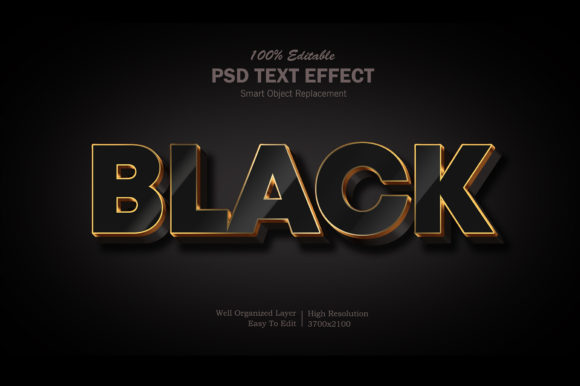
This process eliminates the need for manual shadow creation or complex blending modes. The mockup includes a fully layered structure organized within folders, ensuring that the workflow remains efficient even for those managing large projects. With a resolution of 3600 x 2400 pixels at 300 DPI, the output is suitable for both high-resolution web displays and large-format print materials. The inclusion of a JPEG file alongside the PSD source adds versatility, allowing users to quickly share low-res previews without exposing the editable layers.
The Role of Smart Object Technology
The efficiency of this tool stems from its reliance on smart object replacement technology. Users do not need to be experts in Photoshop layer management or masking techniques. The workflow is streamlined: simply double-click the layer thumbnail, paste the new design, save, and watch the transformation occur. This "no skill requirement" aspect democratizes access to high-end visualization, enabling freelance designers and marketing teams to produce professional-grade presentations rapidly.
Furthermore, the automatic application of correct shadows and lighting ensures consistency. In a realistic scenario, a metal sign on a black wall will cast subtle shadows along its edges and reflect ambient light across its surface. The mockup replicates these physics-based interactions, preventing the common pitfall of logos appearing to float unnaturally above the background.
Comparing Approaches: Digital Mockups vs. Physical Prototyping
When evaluating options for presenting a brand identity, designers often face a choice between creating physical prototypes and utilizing digital mockups like the Metal Logo Mockup 3d Sign on Black Wall. While nothing can entirely replace the tactile experience of holding a physical sample, the digital approach offers significant advantages in terms of speed, cost, and flexibility.
- Cost Efficiency: Producing a physical metal sign requires material costs, manufacturing time, and shipping expenses. A digital mockup allows for unlimited iterations at zero marginal cost.
- Speed of Iteration: If a client requests a change in font or color, a physical prototype might require remanufacturing. With this mockup, the update takes seconds, facilitating rapid feedback loops during the design phase.
- Visual Consistency: Physical environments vary wildly based on lighting conditions. A photo taken in bright sunlight may look different from one taken indoors. The mockup provides a controlled, consistent environment where the logo is always presented under idealized, yet realistic, lighting conditions.
However, there are tradeoffs. A digital mockup cannot capture the texture of the wall paint or the exact grain of the metal as accurately as a high-quality photograph taken on-site. For final approval stages where absolute certainty is required, a physical sample may still be necessary. Nevertheless, for the vast majority of conceptual presentations and client pitches, the digital simulation provided by this tool is sufficiently convincing.
Alternative Formats and Selection Criteria
Not every project demands a heavy, industrial look. The decision to use the Metal Logo Mockup 3d Sign on Black Wall should depend on the specific brand attributes being communicated. Designers must consider whether the target audience responds better to sleek, modern aesthetics or more organic, textured environments.
When to Choose This Specific Mockup
This format is particularly well-suited for brands in industries such as automotive, technology, luxury goods, and construction. These sectors often associate themselves with strength, precision, and permanence. The combination of metal and black creates a sense of sophistication and weight that aligns perfectly with these values. If a company wants to project an image of reliability and high-end craftsmanship, this mockup serves as an effective visual shorthand.
Additionally, the high contrast of the black wall makes it an excellent choice for logos that utilize light colors or gradients. The darkness of the background ensures that the metallic sheen pops, drawing the viewer's eye directly to the center of the composition. It is also ideal for outdoor signage concepts, where visibility and impact are paramount.
When to Consider Alternatives
Conversely, there are scenarios where this mockup might not be the optimal choice. For lifestyle brands, eco-friendly products, or companies focusing on softness and approachability, a hard metal sign on a stark black wall could feel too cold or aggressive. In these cases, alternatives such as wooden signs, fabric banners, or neon lights on brick walls might better reflect the brand's personality.
Similarly, if the design work involves transparent elements or intricate cutouts that require interaction with the background texture, a simpler flat mockup might offer clearer visibility. The complexity of the 3D rendering, while impressive, can sometimes obscure fine details if the lighting is too dramatic. Designers should evaluate the balance between aesthetic impact and clarity of information before committing to this style.
Practical Applications and Workflow Integration
The utility of the Metal Logo Mockup 3d Sign on Black Wall extends beyond simple logo placement. Its features make it adaptable for various marketing collateral. For instance, the 300 DPI resolution allows the same file to be used in printed brochures, business cards, and large-scale posters without loss of quality.
The organized layer structure facilitates easy customization for different use cases. Designers can adjust the opacity of the metal layer to simulate wear and tear, or modify the lighting angle to match a specific room setting. This level of control transforms the mockup from a static image into a dynamic presentation tool.
Moreover, the "100 Editable" nature of the file means that text elements can be changed freely. This is crucial for agencies managing multiple clients or creating variations of a campaign. Instead of recreating the scene for each variation, the team can simply swap the smart object content, saving hours of repetitive work.
Making the Final Decision
Selecting the right mockup is a strategic decision that impacts how a brand is perceived. The Metal Logo Mockup 3d Sign on Black Wall represents a robust option for those prioritizing realism, ease of use, and a premium aesthetic. Its ability to automatically handle lighting and shadows reduces the technical barrier for entry, allowing designers to focus on creativity rather than technical execution.
While no single tool fits every situation, this mockup excels in contexts where authority and modernity are key themes. By understanding the strengths and limitations of this format, professionals can make informed choices that enhance their portfolio and satisfy client expectations. Whether used for internal concept validation or external client presentations, the integration of high-quality 3D visualization remains a cornerstone of effective brand storytelling.
Ultimately, the goal is to create a visual narrative that resonates. This mockup provides the stage; the designer provides the story. With its high resolution, smart object capabilities, and realistic rendering, it stands as a reliable partner in the design process, offering a clear path to professional results without the overhead of physical production.